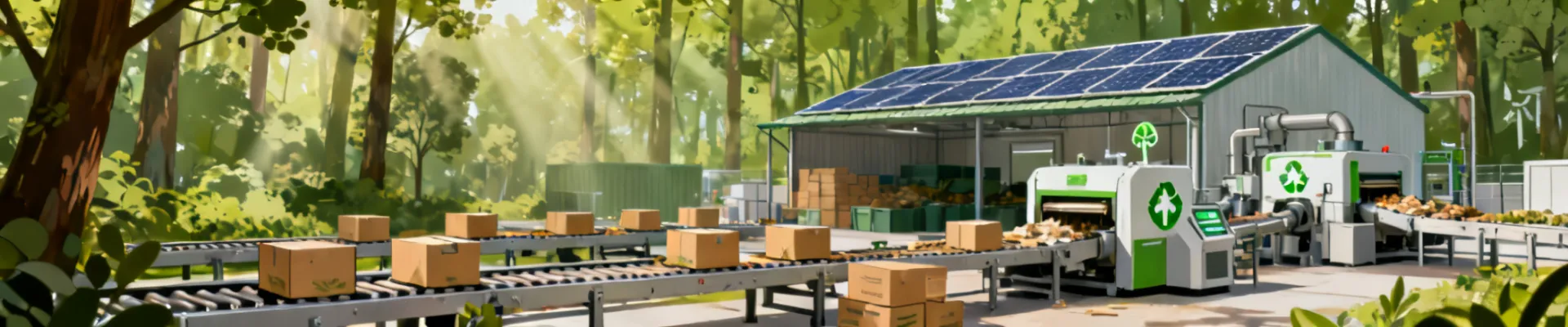
Eco-Friendly Packaging & Sustainable Practices
Building a circular economy through responsible packaging solutions
Building a circular economy through responsible packaging solutions
At Greif, sustainability is not just a goal—it's embedded in our DNA. Since 1877, we've been committed to responsible manufacturing and environmental stewardship. Our mission is to create a circular economy where every package can be reused, recycled, or responsibly disposed of.
We recognize that industrial packaging has a significant environmental footprint. That's why we've invested over $150 million in sustainability initiatives since 2015, focusing on renewable materials, energy efficiency, and waste reduction.
Our 2030 sustainability goals align with the UN Sustainable Development Goals and Paris Climate Agreement, demonstrating our commitment to measurable environmental progress.
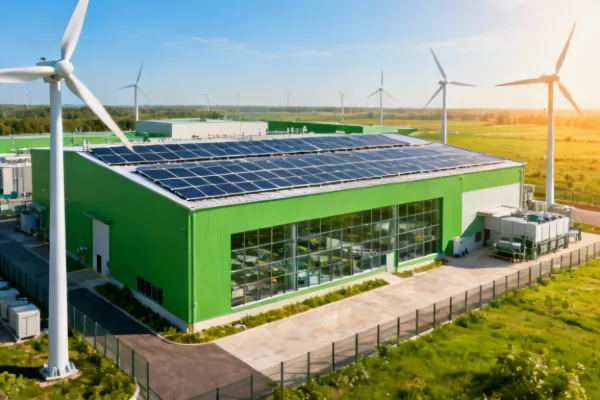
Measurable progress toward a sustainable future
Carbon Emissions Reduction
(Since 2020)
Waste Diverted from Landfills
(2024 Achievement)
Recycled Content in Products
(Average Across Portfolio)
Tons of Material Recycled
(Annually)
Industry-leading certifications that validate our commitment
All our fiber-based products use responsibly sourced materials from sustainably managed forests.
Environmental Management System certification at all 47 manufacturing facilities worldwide.
23 facilities achieved carbon neutrality through renewable energy and verified offset programs.
Science-Based Targets initiative approved our 2030 emissions reduction goals aligned with 1.5°C pathway.
Comprehensive approach to environmental responsibility
Our innovative reconditioning programs give steel drums and IBC containers multiple lifecycles, reducing virgin material consumption by 38%.
We prioritize renewable and recycled materials across our product portfolio, with continuous innovation in bio-based alternatives.
Strategic investment in renewable energy infrastructure reduces our Scope 2 emissions and energy costs simultaneously.
Advanced water management systems minimize consumption and ensure zero contamination discharge from all facilities.
Our comprehensive waste management strategy achieves industry-leading diversion rates through recycling and energy recovery.
Route optimization and fleet modernization reduce transportation emissions while improving delivery efficiency.
Science-based targets for measurable environmental impact
Target: 50% reduction in absolute Scope 1 & 2 GHG emissions (vs. 2019 baseline)
Progress: 42% reduction achieved through renewable energy adoption, process efficiency, and fleet electrification. On track to exceed target.
Target: 100% of products designed for reuse, recycling, or composting
Progress: 67% of product portfolio meets circular design criteria. New product development process now includes mandatory sustainability assessment.
Target: 50% reduction in freshwater withdrawal intensity
Progress: 28% reduction achieved. Installing advanced water recycling systems at remaining high-use facilities in 2025-2026.
Target: 95% waste diversion rate across all facilities
Progress: 85% diversion achieved. 32 of 47 facilities already zero-waste certified. Focus on remaining 15 sites in 2025.
Let's work together to reduce your environmental footprint